Ketamine-Assisted Therapy: What to Know
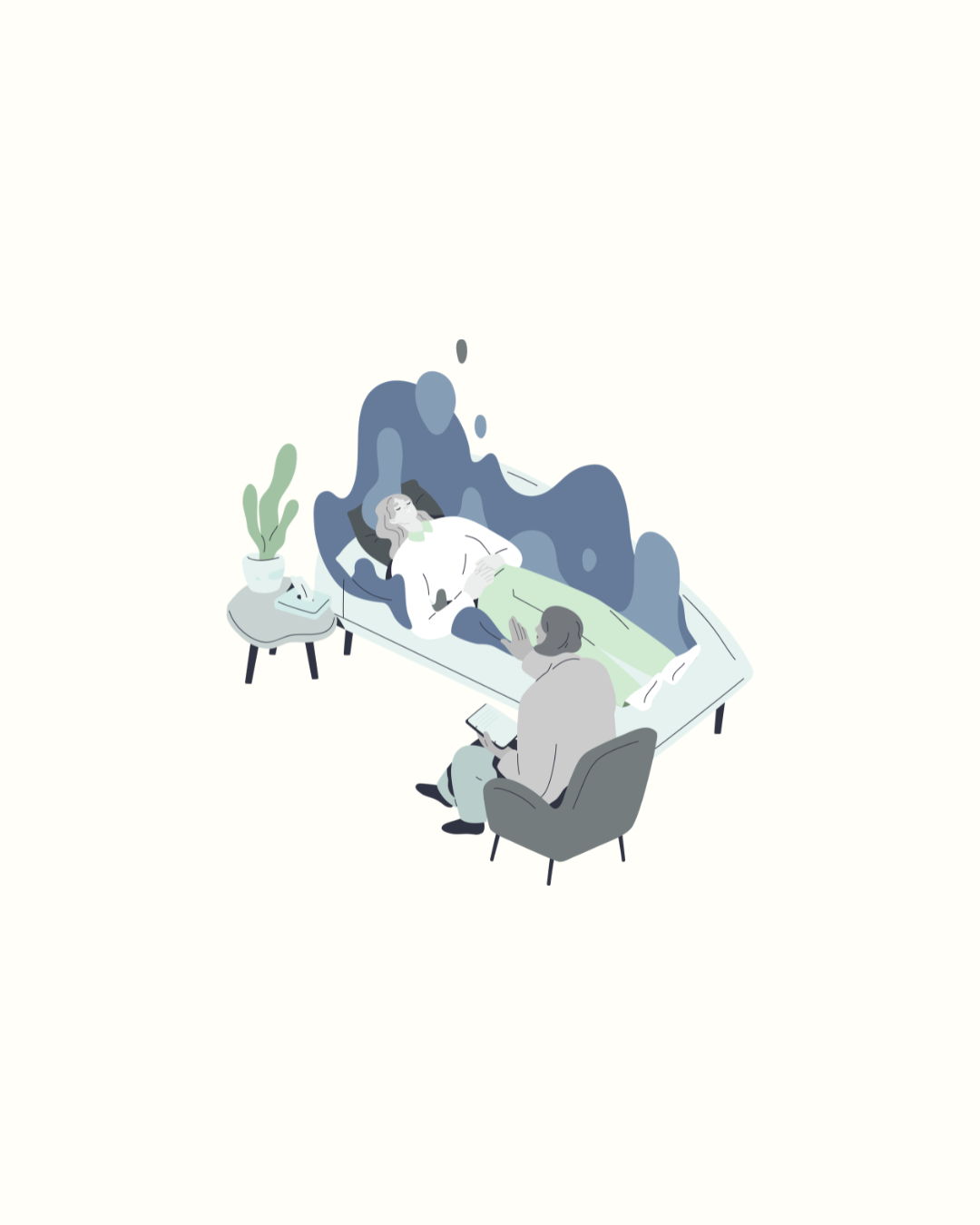
At Enlightened Ways Therapy, we are always looking for ways to offer thoughtful, evidence-informed care that meets people where they are, especially when traditional approaches haven’t brought the relief they hoped for. That’s why we’re excited to soon offer Ketamine-Assisted Psychotherapy (KAP) as part of our services.
Ketamine-assisted therapy is a collaborative, integrative treatment that combines the use of ketamine, a legal, medically supervised medication, with psychotherapy. While ketamine has long been used in medical settings as an anesthetic, in recent years it has gained attention for its potential to help with mental health conditions such as depression, anxiety, PTSD, and trauma-related symptoms.
Unlike medications that are taken daily, ketamine in this context is administered in a controlled, therapeutic setting at specific intervals. What makes KAP unique is not just the medication itself, but how it is paired with intentional therapeutic support before, during, and after each session.
How It Works
KAP typically involves three phases:
Preparation
In preparation sessions, you and your therapist work together to clarify your intentions, build trust, and develop tools to help you feel grounded and supported throughout the process. This stage is essential because it helps create a sense of safety and direction going into the experience.
Dosing Session
During the ketamine session, clients often enter a different state of consciousness. Many describe this as feeling more open, less defensive, or able to access thoughts and emotions from a new perspective. Your therapist is present to support you, helping you stay anchored and safe while allowing the experience to unfold.
Integration
After the session, integration work helps make meaning of what came up. This is where insights are processed and connected to your daily life. Integration is a key part of KAP because it bridges the experience itself with lasting change.
Why People Consider KAP
Ketamine-assisted therapy may be helpful for individuals who:
-Feel stuck despite ongoing therapy or medication
-Experience persistent depression or anxiety
-Are working through trauma or PTSD
-Feel disconnected from themselves or their emotions
-Are seeking a different or more experiential approach to therapy
Research suggests ketamine may temporarily increase neuroplasticity, meaning the brain becomes more flexible and open to new patterns of thinking and feeling. When paired with therapy, this can create opportunities for meaningful shifts that might otherwise feel out of reach.
Emerging research on ketamine-assisted psychotherapy also shows promising reductions in depressive symptoms, with some studies finding improvements that can last for several months, though more rigorous research is still needed to fully understand its long-term effectiveness.
What KAP Is and Isn’t
KAP is not a quick fix or a one-time solution. It is a structured, intentional process that requires active participation and integration. While some people experience relief quickly, others notice more gradual changes over time.
It’s also important to know that KAP is not appropriate for everyone. A thorough screening process is required to ensure safety and fit. Our team works closely with medical providers to make sure this approach is offered responsibly and ethically.
Our Approach
At Enlightened Ways Therapy, we approach ketamine-assisted therapy through a trauma-informed, relational lens. This means we prioritize your sense of safety, autonomy, and collaboration throughout the process. We believe that healing doesn’t come from the medication alone, but from the combination of supportive relationships, intentional reflection, and the space to explore your inner world.
We are committed to offering KAP in a way that is grounded, respectful, and aligned with your individual goals.
Interested in Learning More?
As we prepare to offer ketamine-assisted therapy, we welcome questions and conversations about whether this approach might be a good fit for you. If you’re curious, we encourage you to reach out and connect with our team.
Healing looks different for everyone. Our goal is to provide options that support your growth in a way that feels safe, empowering, and meaningful.
Sources
Simpson, R. J., & Juruena, M. F. (2026). Effectiveness of ketamine-assisted psychotherapy as a treatment for treatment-resistant depression: A systematic review. Psychopharmacology. (PubMed)
Dore, J., et al. (2023). Ketamine-assisted psychotherapy provides lasting and effective results in the treatment of depression, anxiety, and PTSD. Journal of Affective Disorders. (PubMed)